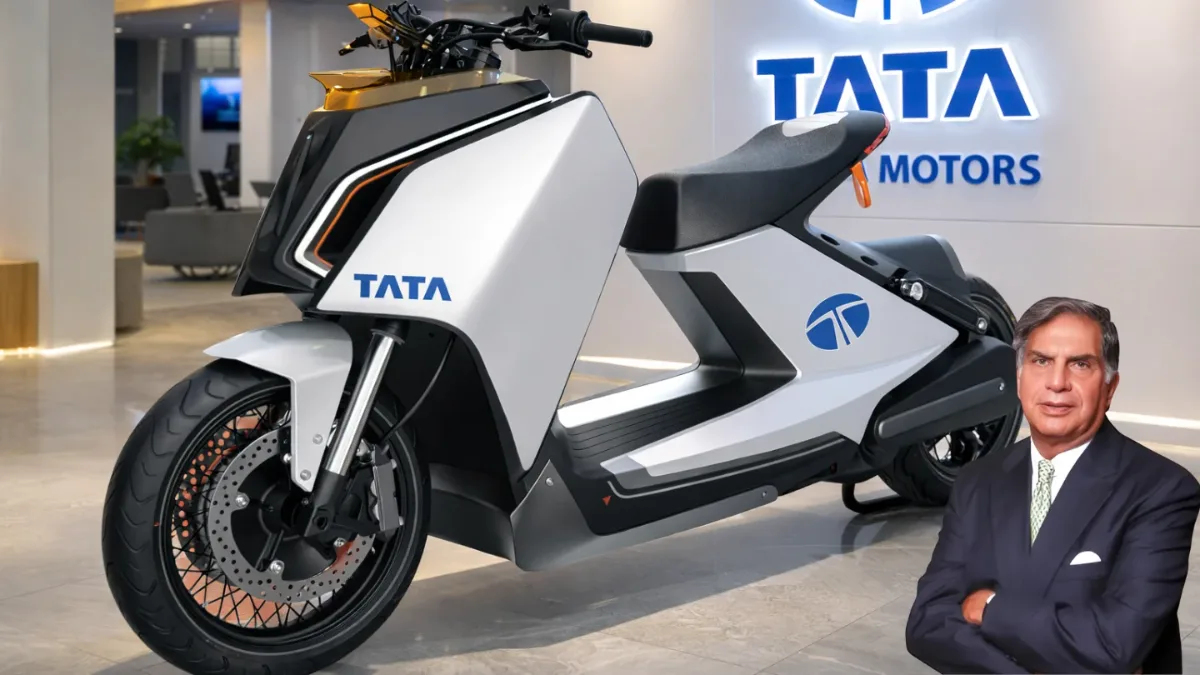
Patanjali Electric Cycle features 320km range, 250W motor, and aggressive pricing starting Book now just for ₹899. See full specs and features.
Introduction
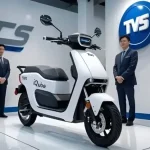
Patanjali Electric Cycle has finally entered the Indian electric mobility conversation as a “Game Changer” for the common man in early 2026. As fuel prices fluctuate and urban congestion peaks, Patanjali’s foray into the EV segment signifies a massive shift toward affordable, Swadeshi-focused green transport. This launch marks a significant milestone for the brand, moving from consumer goods into high-tech sustainable engineering designed specifically for Indian road conditions.
Highlights
- Price: Starting from ₹19,999 (Expected)
- Booking: Officially starts at just ₹899
- Range: Up to 320km (Claimed/Pedal Assist)
- Motor: 250W BLDC Hub Motor
- Battery: Detachable Lithium-ion pack
- Top Speed: 25–35 km/h
- Major Upgrade: Ultra-low running cost of ₹0.10 per km
Full Details
Launch Info & Market Impact About Patanjali Electric Cycle
The Patanjali Electric Cycle is positioned as a practical solution for short and medium-distance travel. While the Indian market is flooded with expensive electric scooters, this e-cycle focuses on accessibility for students, office-goers, and senior citizens. By targeting the ultra-budget segment, Patanjali aims to disrupt the monopoly of unorganized local players and premium global brands alike.
Design & Build Quality
The cycle follows a simple and functional design philosophy. It features a high-tensile steel alloy frame that is lightweight yet sturdy, weighing in at approximately 20–24kg. This ensures that even if the battery runs out, the user can easily switch to manual pedaling without excessive strain. The upright riding posture and ergonomic saddle are designed to reduce fatigue during long city commutes.
Performance & Motor
Equipped with a 250W BLDC hub motor, the Patanjali Electric Cycle stays within the regulatory bracket that requires no license or registration in India. The torque delivery is tuned for smooth pickups at traffic signals and steady assistance on flyovers and slight inclines.
Battery & Range Reality
The standout feature is the lithium-ion battery system. While some reports suggest a massive 320km range under ideal pedal-assist conditions, real-world usage is expected to hover between 85–120km depending on the assist mode. The battery is detachable, allowing users to charge it at home or office using a standard 5A socket in just 3–4 hours.
Software & Smart Tech
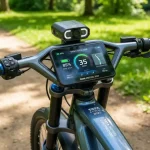
The cycle is equipped with an LED display that provides real-time data on speed, battery level, and assist mode. For added utility, it includes a USB charging port for mobile devices, a front LED headlamp with an integrated horn, and an anti-theft locking system—features rarely seen at this aggressive price point.
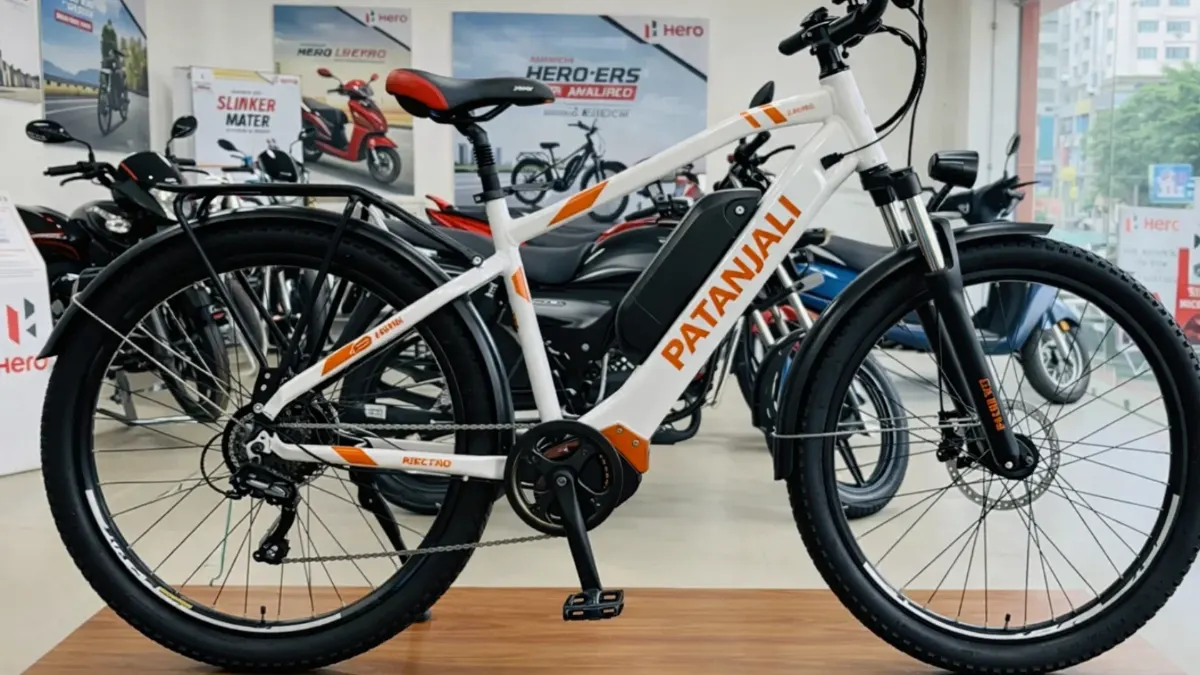
Specifications Table About Patanjali Electric Cycle
| Feature | Details |
|---|---|
| Motor Type | 250W BLDC Hub Motor |
| Battery Capacity | High-density Lithium-ion (Detachable) |
| Max Range | Up to 320km (Pedal Assist) |
| Charging Time | 3 to 4 Hours |
| Top Speed | 25 km/h (Electronically limited) |
| Brakes | Dual Disc Brakes (Front & Rear) |
| Tires | 27.5T / 26″ Anti-skid Tubeless |
| Frame Material | High-tensile Steel Alloy |
| Weight | 22 kg (Approx.) |
| Display | Smart LED Console |
Price & Variants
- Base Variant (Eco): ₹19,999 – Focused on essential commuting.
- Mid Variant (City): ₹27,999 – Includes front suspension and better range.
- Top Variant (Pro): ₹35,000+ – Features higher battery capacity and smart connectivity.
Comparison Section: Patanjali vs. Tata Stryder Voltic
When compared to the Tata Stryder Voltic (priced at ~₹32,500), the Patanjali Electric Cycle offers a significant price advantage at the entry-level. While the Tata model is known for its robust build and brand reliability, Patanjali beats competitors with a higher claimed range and a much lower entry barrier via the ₹899 booking system. For budget-conscious buyers, Patanjali offers better value for money, whereas Tata appeals to those seeking a more established automotive service network.
Pros & Cons
Pros
- Extremely affordable entry price point.
- No license or registration required.
- Detachable battery for convenient charging.
- High claimed range in pedal-assist mode.
- Eco-friendly with nearly zero maintenance.
Cons
- Brand is new to the electric mobility space.
- Real-world range may vary significantly from claims.
- Service network yet to be fully established.
Expected Official Bank Offers
- Flat ₹1,500 off on select Credit Cards.
- No-cost EMI options for 3, 6, and 9 months.
- Special exchange bonus for old bicycles.
Buyer Guide Before Buying Patanjali Electric Cycle
Who should buy:


- Students looking for a low-cost commute to coaching/college.
- Delivery partners wanting to maximize profits by cutting fuel costs.
- Fitness enthusiasts who want the option of electric assist on hilly terrain.
Who should avoid:
- Users looking for high-speed performance (above 40 km/h).
- Long-distance highway commuters.
Latest Update / News Angle
As of early 2026, Patanjali has opened the pre-booking window for Patanjali Electric Cycle just ₹899 on its official portal. While production is scaling up, rumors suggest a future “Plus” variant with GPS tracking and app-based locking is already in the works for late 2026. Retail availability is expected to expand from Patanjali Mega Stores to major e-commerce platforms like Amazon and Flipkart by next quarter.
[Read: Top Electric Scooters Under ₹1 Lakh]
Reality Check
While the buzz around the 320km range is high, it is vital to understand that such figures are usually achieved under “Laboratory Conditions” with maximum pedal effort. Check latest reality check information from online reviews and user trials before placing a bulk order.
FAQs
Is it worth buying?
Yes, if your daily commute is under 30-40km, the savings on petrol make it a highly sustainable investment.
Does it support fast charging?
It supports standard fast charging (3-4 hours), which is excellent for a cycle in this segment.
What is the real range?
Expect 50-80km on pure throttle and up to 120km+ with active pedal assistance.
When will it go on sale?
Deliveries are expected to begin within 45 days of the official launch announcement.
Conclusion
The Patanjali Electric Cycle is a bold step toward democratizing electric mobility in India. By combining aggressive pricing with practical features, it offers a first-in-segment value proposition that is hard to ignore. If you are looking for a “Swadeshi” alternative to petrol bikes for your daily chores, this is a game-changer that balances economy, health, and technology.