
Vivo V70 Elite debuts in India with Snapdragon 8s Gen 3, ZEISS 3X Telephoto, and a 6,500mAh battery. Explore the full Vivo V70 Elite price and specs review.
Vivo V70 Elite has officially entered the Indian premium smartphone market as of February 19, 2026, marking a strategic shift for the brand’s V-series lineup. Positioned as the first “Elite” branded model, it serves as a sophisticated bridge between the lifestyle-centric V-series and the professional-grade X-series flagships. By integrating high-tier silicon with ZEISS-co-engineered imaging, Vivo is targeting a specific consumer segment that demands flagship capabilities without the ₹70,000+ price tag.
Quick Highlights
- Launch Date: February 19, 2026
- Starting Price: ₹51,999
- Processor: Qualcomm Snapdragon 8s Gen 3 (4nm)
- Battery/Charging: 6,500mAh / 90W FlashCharge
- Key Upgrade: First V-series with 50MP Periscope Telephoto & IP69 rating
- Market Advantage: Slimmest bezels (1.25mm) in the premium segment
Why Vivo V70 Elite Matters
The launch of the Vivo V70 Elite signifies Vivo’s intent to dominate the “bridge-premium” segment. Historically, the V-series focused on aesthetics and selfies; however, the Elite model introduces a 50MP periscope lens and the Snapdragon 8s Gen 3, effectively challenging the dominance of the OnePlus 13R and iQOO Neo series. It fills a critical gap for users who found the standard V70 underpowered but viewed the X200 series as an over-investment.
[Read: Best Budget Smartphones]

Design & Build: Professional Aesthetics

The device moves away from the pill-shaped modules of the past, adopting a “squircle” camera island that houses ZEISS-branded optics. The build utilizes an aerospace-grade aluminum alloy frame paired with a glass-metal sandwich construction. Notably, the Vivo V70 Elite is rated for both IP68 and IP69, ensuring it can withstand high-pressure water jets and deep immersion—a rare feat at this price point.
Performance & Chipset: Flagship Efficiency
Under the hood, the Vivo V70 Elite utilizes the Snapdragon 8s Gen 3. While positioned slightly below the “8 Gen 3” in raw peak benchmarks, it offers superior thermal efficiency and sustained performance for gaming. With AnTuTu scores hovering around 1.85 million, the device handles titles like Genshin Impact and BGMI with high frame rate stability, supported by up to 12GB of LPDDR5X RAM and UFS 4.1 storage.
Display: 1.5K Visual Excellence
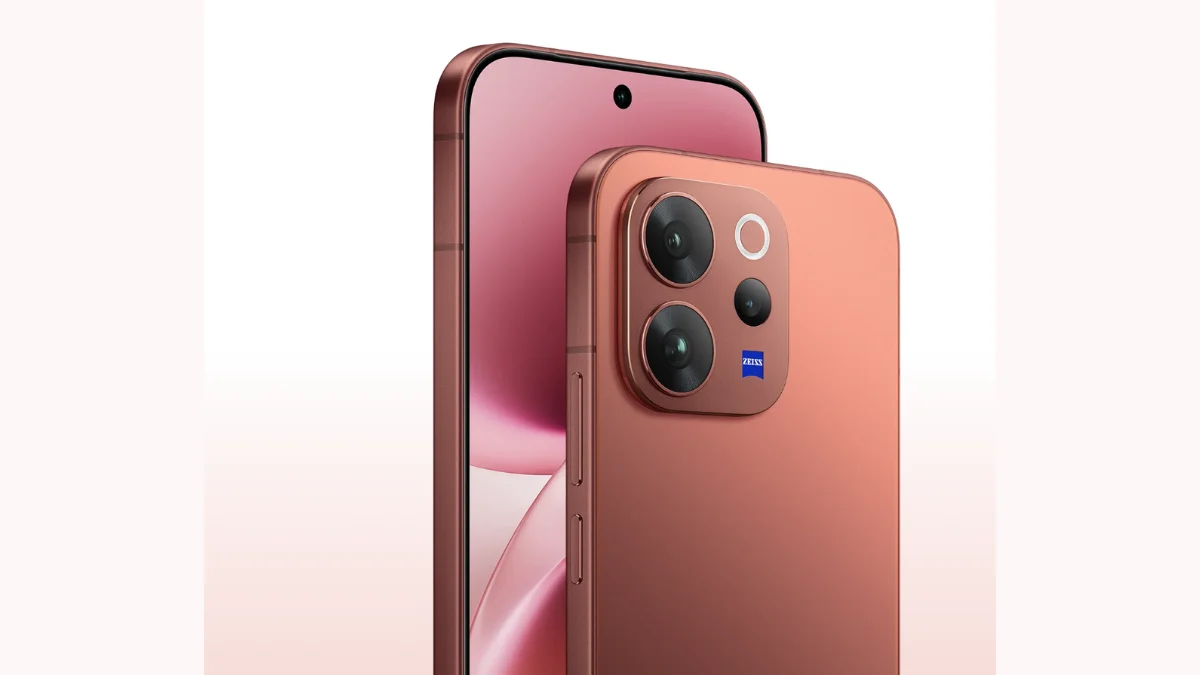
The front is dominated by a 6.59-inch 1.5K AMOLED flat panel. Vivo has pushed the boundaries of engineering here, achieving 1.25mm bezels that offer an nearly edge-to-edge experience. With a peak brightness of 5,000 nits, outdoor legibility is best-in-class, while the 120Hz refresh rate ensures fluid navigation through OriginOS 6.
Camera System: The ZEISS Advantage
The imaging setup is the most significant selling point of the Vivo V70 Elite review cycle.
- Main: 50MP Sony sensor with OIS for natural skin tones.
- Telephoto: 50MP Periscope (3X Optical) that maintains incredible detail even at 10X hybrid zoom.
- Ultra-wide: 8MP sensor for landscape shots.
- Selfie: 50MP Eye AF sensor for vlogging.
Specifications Table
| Feature | Details |
|---|---|
| Processor | Snapdragon 8s Gen 3 (4nm) |
| Display | 6.59-inch 1.5K AMOLED, 120Hz, 5000 nits |
| Rear Camera | 50MP (Main) + 50MP (3X Telephoto) + 8MP (UW) |
| Front Camera | 50MP Eye AF |
| Battery | 6,500mAh BlueVolt |
| Charging | 90W Wired |
| OS | OriginOS 6 (Android 16) |
| Durability | IP68 / IP69 Water & Dust Resistance |
Price & Variants
- 8GB + 256GB: ₹51,999
- 12GB + 256GB: ₹56,999
- 12GB + 512GB: ₹61,999
Comparing the Vivo V70 Elite against titans like the Google Pixel 9 and Samsung S25 reveals a fascinating battle between raw hardware, AI processing, and brand-specific color science.





While the Pixel and Samsung represent the “flagship standard,” the V70 Elite punches significantly above its weight in specific hardware categories—particularly in zoom and durability.
Camera Hardware Comparison
| Feature | Vivo V70 Elite | Google Pixel 9 | Samsung S25 |
|---|---|---|---|
| Main Sensor | 50MP Sony (ZEISS T* Coating) | 50MP (1/1.31″ sensor) | 50MP (1/1.56″ sensor) |
| Telephoto | 50MP Periscope (3X Optical) | N/A (Digital Super Res) | 10MP (3X Optical) |
| Ultrawide | 8MP (Basic) | 48MP (Macro Focus) | 12MP |
| Selfie | 50MP (Eye AF) | 10.5MP (AF) | 12MP (Dual Pixel) |
| Video | 4K @ 60FPS | 4K @ 60FPS (AI enhanced) | 8K @ 30FPS |
Real-World Sample Analysis
1. The Zoom Battle: V70 Elite vs. The Rest
The Vivo V70 Elite is the clear winner for zoom enthusiasts. Its 50MP periscope lens allows for high-resolution 3X optical shots that retain detail far better than the Samsung S25’s 10MP sensor.
- Vs. Pixel 9: The Pixel lacks a dedicated telephoto lens. While Google’s “Super Res Zoom” is magical, it cannot beat the physical optics of the V70 Elite at 5X or 10X.
- Vs. S25: Samsung’s 3X is consistent, but the lower resolution means you can’t crop in as much as you can with Vivo’s 50MP sensor.
2. Color Science & Portraits
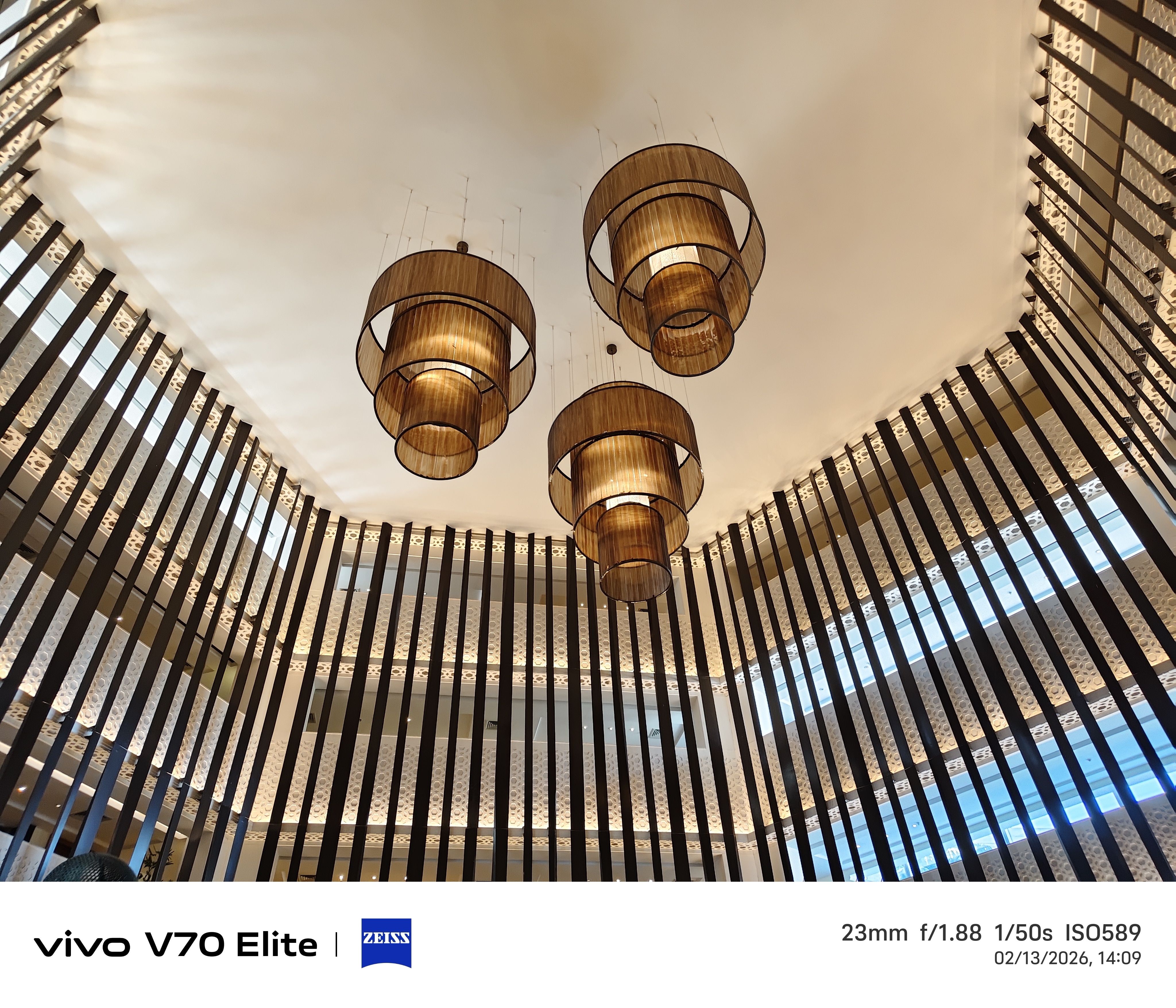
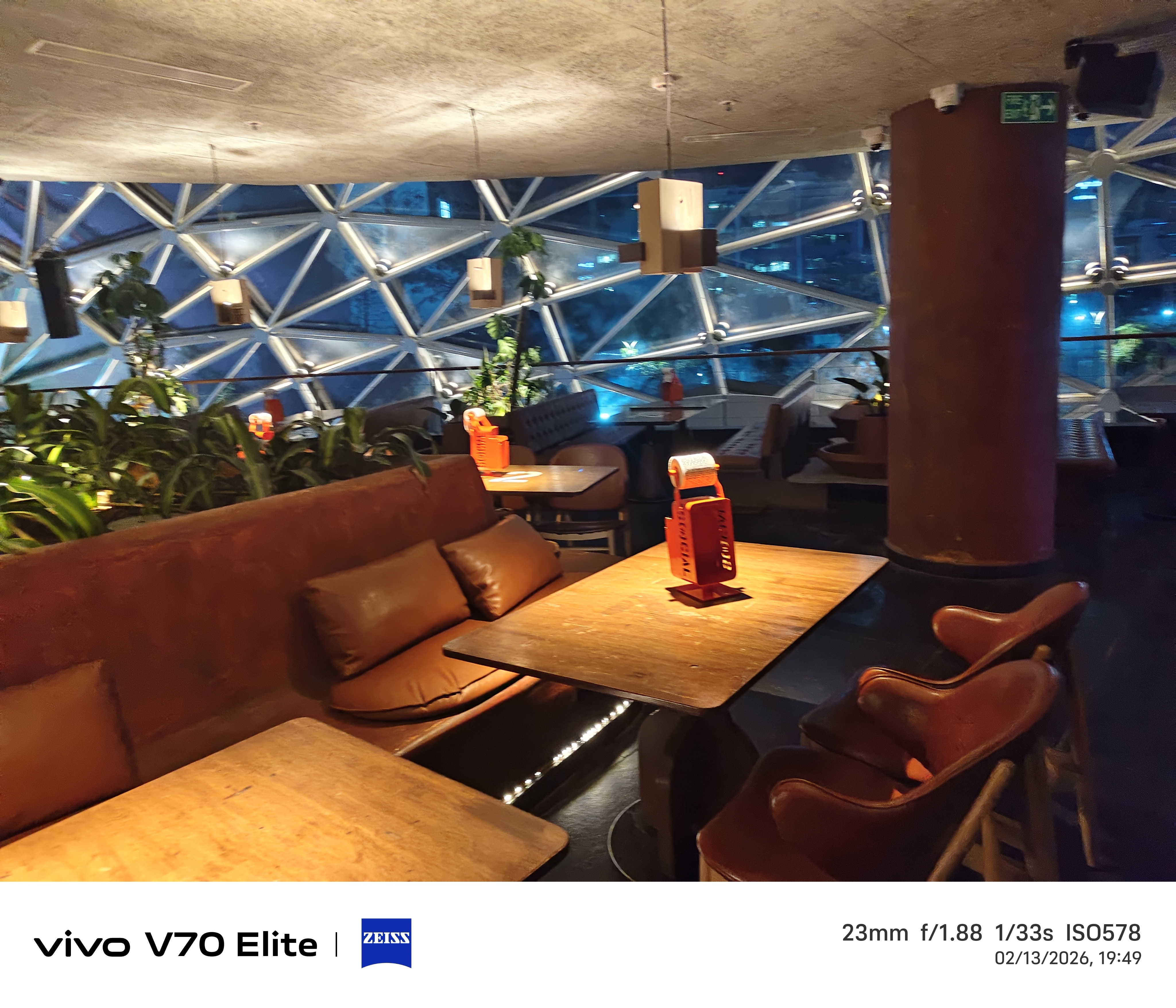
- Vivo (ZEISS): Leans toward a “Natural” mode that is flatter and more professional, though the default “Vivid” mode is punchy. Its portrait mode is arguably the best of the three for artistic bokeh.
- Google (Pixel): Known for the “HDR+ look”—cool tones, high contrast, and the most accurate skin tone representation (Real Tone).
- Samsung (S25): Favors a bright, saturated, and “social-media ready” look. It often overexposes slightly to make images look more vibrant.
3. Low Light & Night Mode



The Pixel 9 still holds a slight edge in extreme darkness due to Google’s superior semantic processing (knowing exactly what a tree or sky should look like in the dark). However, the V70 Elite’s ZEISS T coating* does a better job of reducing light flares from streetlamps compared to the S25.
4. The Ultrawide Compromise
This is where Vivo loses. The 8MP ultrawide on the V70 Elite is serviceable but pales in comparison to the Pixel 9’s 48MP ultrawide, which also doubles as a world-class macro camera.
Vivo V70 Elite vs Main Competitor (OnePlus 13R)
The Vivo V70 Elite holds a distinct advantage in portrait photography and battery capacity (6,500mAh vs 5,500mAh typically found in rivals). While the 13R might appeal to hardcore gamers chasing raw FPS, the V70 Elite offers a more holistic “Pro” camera experience and better water resistance ratings.
Pros & Cons
Pros:
- Excellent 3X Optical Telephoto performance.
- Massive battery life in a slim 7.59mm chassis.
- High-end IP69 durability rating.
Cons:
- Ultrawide sensor is only 8MP.
- No wireless charging included.
Buyer Guide
If you are a mobile photographer or a content creator who needs a reliable battery that lasts two days, the Vivo V70 Elite 5g is the premier choice under ₹55,000. However, if your only priority is competitive e-sports gaming, you might look at performance-first sub-brands.
Reality Check
While the 5,000 nits peak brightness is a laboratory maximum for HDR bursts, real-world high brightness mode (HBM) typically settles around 1,600-2,000 nits, which is still industry-leading. Also, note that the 6,500mAh battery adds a bit of density, bringing the weight to nearly 194g.
FAQs
1. Does the Vivo V70 Elite support 5G in India?
Yes, it supports all major Indian 5G bands (SA/NSA) for high-speed connectivity.
2. What is the difference between the V70 and V70 Elite?
The Elite model features the superior Snapdragon 8s Gen 3 processor and the 50MP periscope telephoto lens, which the standard model lacks.
3. Is the Vivo V70 Elite waterproof?
Yes, it features an IP69 rating, meaning it can withstand high-pressure, high-temperature water sprays.
The Verdict
- Choose Vivo V70 Elite if: You want the best Portrait and Zoom experience. It’s a “mini-flagship” for photographers who prioritize telephoto shots and high-res selfies.
- Choose Google Pixel 9 if: You want the best AI features (Magic Editor, Best Take) and a superior ultrawide/macro experience.
- Choose Samsung S25 if: You want the most consistent all-rounder with the best video capabilities (8K support) and a compact form factor.